
There is a version of August 12, 1972 that survives in the memory of everyone who was inside the Armadillo World Headquarters that night, and no two versions agree on the details except the ones that matter. It was hot the way South Austin gets hot in August, the kind of heat the old armory building held onto long after sundown. The room was a converted National Guard armory off Barton Springs Road with a beer garden out back and murals climbing the walls, and on this particular Saturday it held two crowds that had spent the previous decade pretending the other didn’t exist. On one side, the longhairs — the students, the heads, the countercultural drift that had been washing into Austin since the mid-sixties. On the other, the shitkickers, the cowboy-hatted country crowd who’d grown up on Bob Wills and the Grand Ole Opry and didn’t much cotton to hippies. And onto that stage, in front of both of them at once, walked a red-headed, Nashville-disillusioned singer-songwriter named Willie Nelson.
What happened next is the reason this article exists. But you don’t get to the top of a list like this without earning your way there, so let’s take the long road down and back up.
Why Austin gets its own chapter
Welcome to The Lowdown — the lowdown on Texas music, the running Lonestar Concerts series where we dig through the archive for the concerts that actually mattered, not the ones the marketing departments told you mattered. The lowdown is the old reporter’s word for the real story — the one underneath the press release, told straight. That’s what you’re getting here.
Austin calls itself the Live Music Capital of the World, and it’s the rare civic slogan that’s more earned than aspirational. But a slogan is just a slogan until you can point at the concerts underneath it — the specific nights, in specific rooms, on specific dates, that turned a college town on the Colorado River into a place where the music itself became the local industry. That’s what this ranking is: the ten concerts that built the myth, told straight.
Here are the rules. Every concert on this list happened. Every one has a date and a venue attached, and where the record is thin, I’ll tell you it’s thin rather than paper over it with “legend has it.” I’ve spent forty years around this scene — I was inside the Armadillo the year before it closed — and the fastest way to lose a reader who was actually there is to invent a detail they know is wrong. So no invented attendance figures, no imagined set lists. Just the concerts, and why they earned the rank.
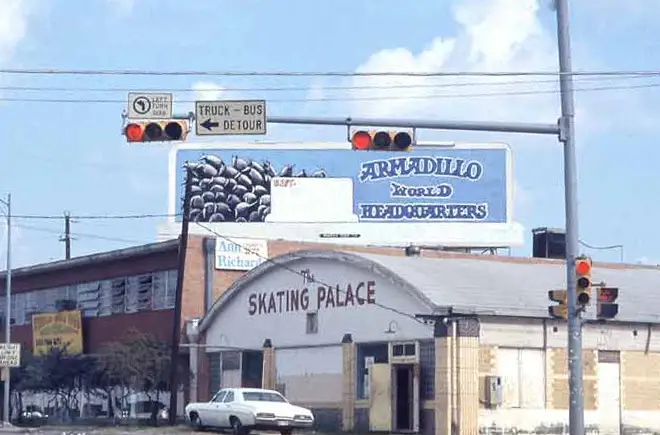
A few rooms are going to keep showing up, because they’re less venues than they are characters in this story. The Armadillo World Headquarters, which opened August 7, 1970 with Shiva’s Headband and closed on New Year’s Eve, December 31, 1980, with Asleep at the Wheel and Commander Cody sending it off. Antone’s, the self-appointed Home of the Blues. And Threadgill’s, the old filling-station-turned-beer-joint that had been open since 1933. Keep an eye on them. They do a lot of the connective work.
Now, the countdown.
10. Gary Clark Jr. — the first ACL Festival, Zilker Park, September 28–29, 2002
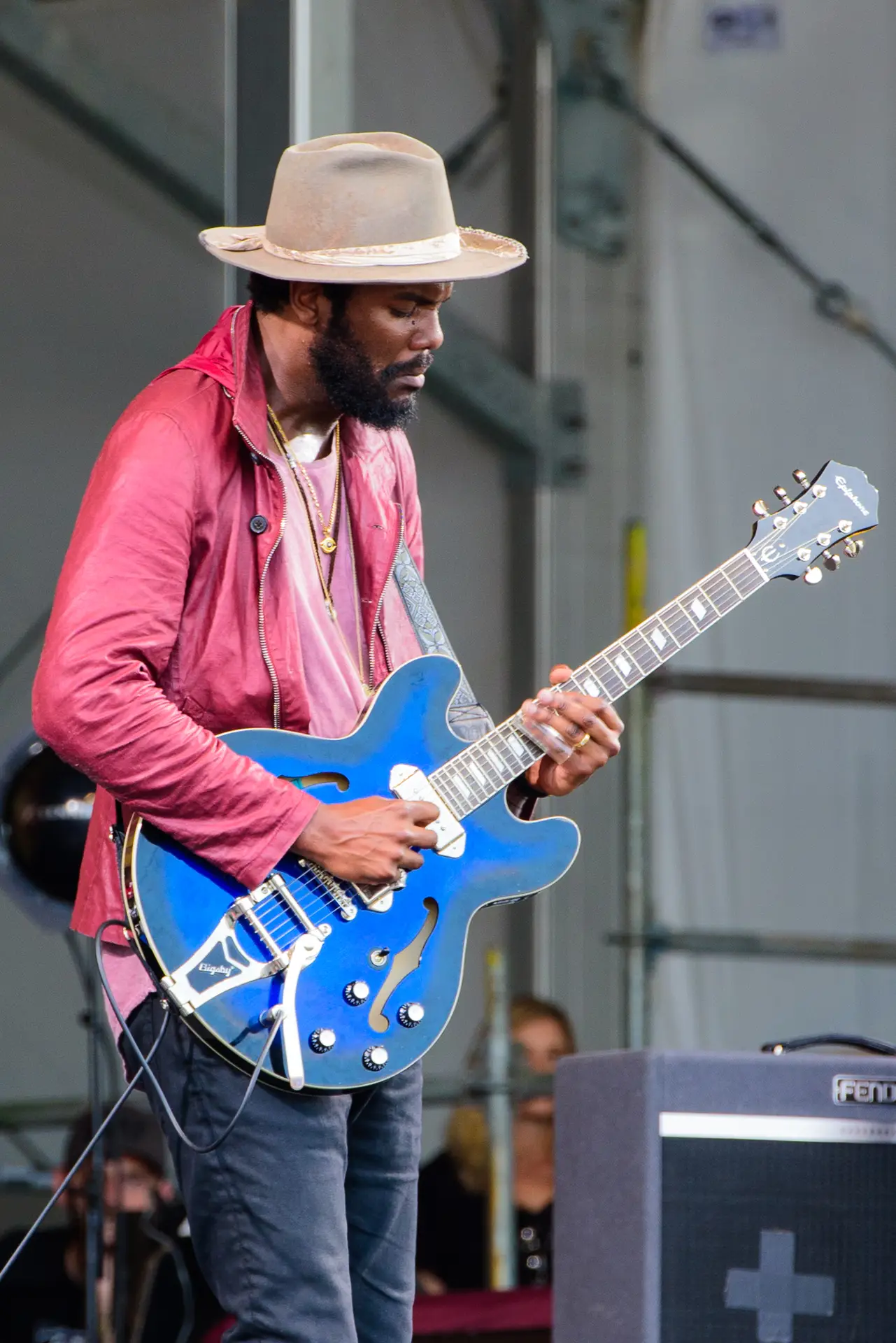
The Austin City Limits Music Festival is now the thing the city plans its autumn around, but somebody had to play the first one, and among the names on that inaugural 2002 lineup in Zilker Park was an eighteen-year-old Austin High graduate named Gary Clark Jr. Remember him. He’ll matter more before we’re done. A native son on the ground floor of what would become his hometown’s signature event — you could hardly script the setup better.
9. Janis Joplin — the Threadgill’s hootenanny nights, 1962–63
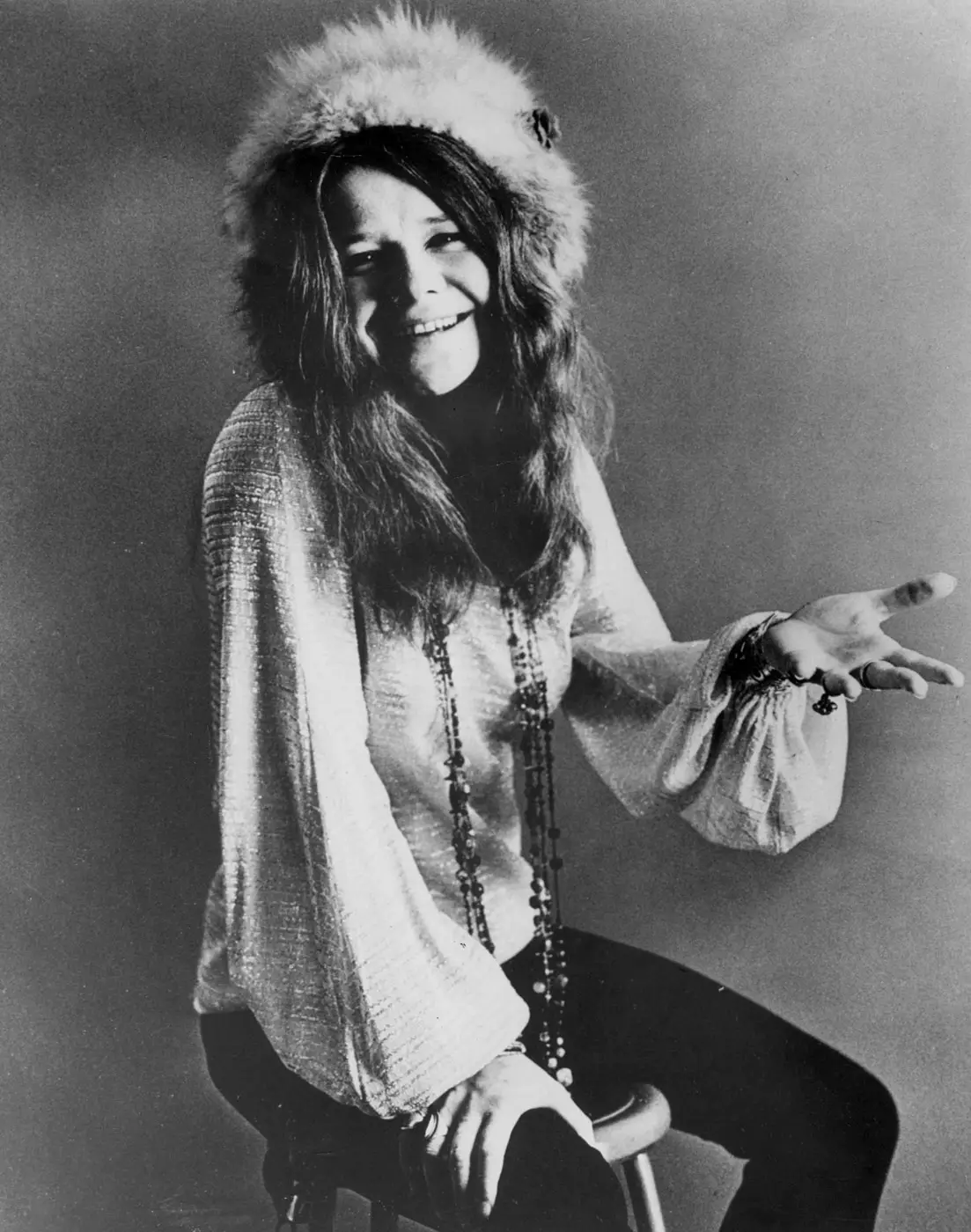
Let’s be honest about this one, because the honest version is better than the myth. There was no single legendary Janis Joplin concert at Threadgill’s. What there was — and what earns the ninth spot — was a residency. In 1962 and 1963, a nineteen-year-old University of Texas student would turn up at Kenneth Threadgill’s Wednesday-night hootenannies and sing as a regular, one voice among the pickers and folkies in a converted gas station north of campus. This is where Janis became Janis, in a low-stakes weekly room, in front of a crowd that wasn’t there to see her yet. She’d leave for San Francisco soon enough. The origin of a legend isn’t always a lightning bolt; sometimes it’s a standing Wednesday gig.
8. U2 sits in with Stevie Ray and Jimmie Vaughan — Antone’s, November 22, 1987
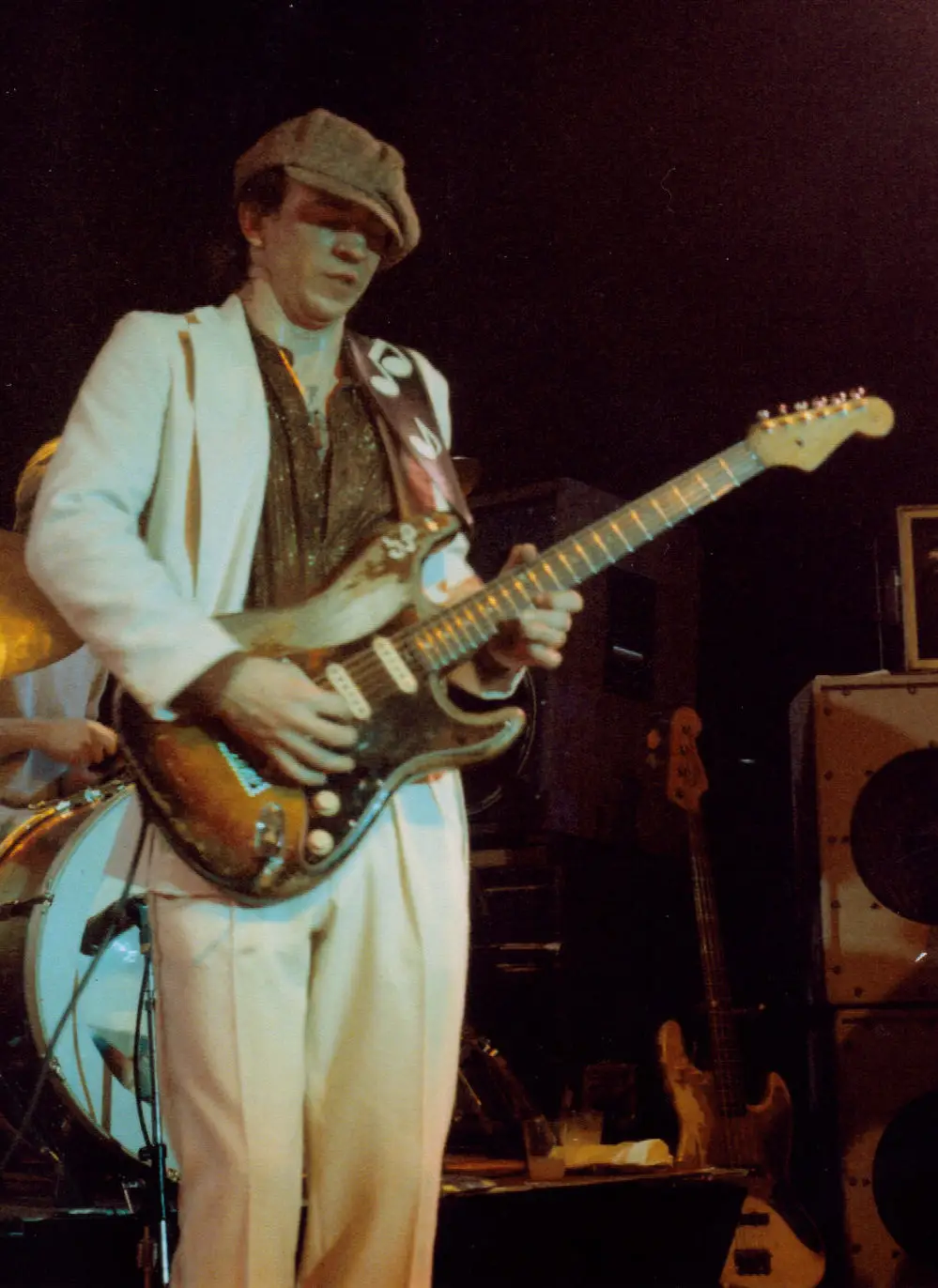
After U2 played the Erwin Center on their run through town, Bono and The Edge did the only-in-Austin thing: they went down to Antone’s and sat in with the Vaughan brothers, Stevie Ray and Jimmie, Austin’s adopted guitar royalty holding court in their home room. The specifics of who played what have thinned with the years, and I won’t dress them up beyond what the record supports — they sat in, late, and it was the kind of night that only happens in a city where the after-hours room is as important as the arena. That’s the whole point of Austin, distilled into one bandstand.
7. The 13th Floor Elevators reunite — Carson Creek Ranch, May 10, 2015
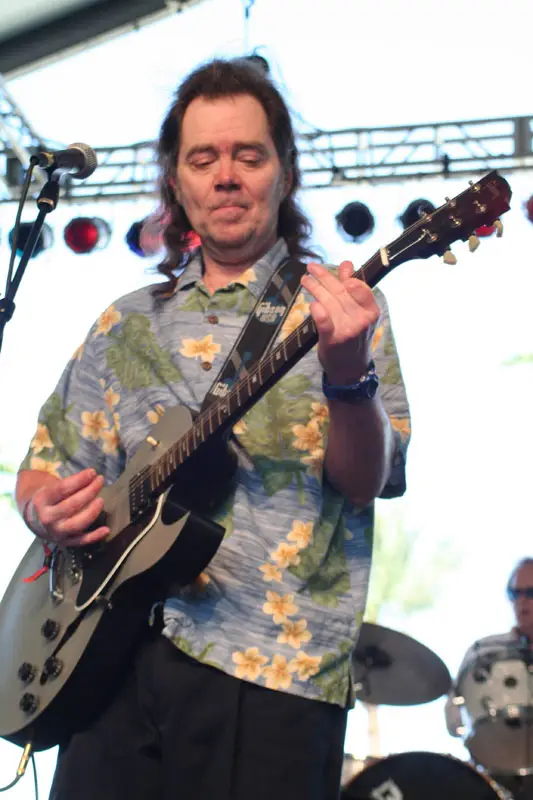
Nearly half a century after they scattered, the surviving original members of the 13th Floor Elevators stood on a stage together for the first time since 1967, at Carson Creek Ranch, as part of the festival that had renamed itself Levitation in their honor. If you know the Elevators, you know how improbable a sentence that is. The band that had all but invented a genre and then come apart at the seams, whole again on an Austin-area stage in 2015 — the reunion nobody in 1967 would have bet a nickel on.
6. AC/DC’s first American concert — Armadillo World Headquarters, July 27, 1977
Here’s one for the trivia hustlers and the rock historians both. The first concert AC/DC ever played on American soil, supporting Moxy, happened at the Armadillo World Headquarters on July 27, 1977. Global rock history — the launch of one of the biggest hard-rock acts the planet would ever produce — was made on an Austin stage, in a converted armory, in front of a crowd that had no idea what it was witnessing. The Armadillo had a way of being the room where things started.
5. The Clash make their Texas debut, with Joe Ely — Armadillo World Headquarters, October 4, 1979
The top five is where the concerts stop being great and start being foundational, and we open it with punk meeting Texas head-on. The Clash played their Texas debut at the Armadillo on October 4, 1979, with Lubbock’s own Joe Ely — a cross-pollination that shouldn’t have worked and completely did. English punk and West Texas honky-tonk found in each other something like kin. It mattered enough, and looked right enough, that a photograph from that night made it into the artwork of London Calling. Think about that: one of the most iconic album packages in rock history carries a piece of an Austin evening inside it.
4. Antone’s opens with Clifton Chenier — Antone’s, July 15, 1975
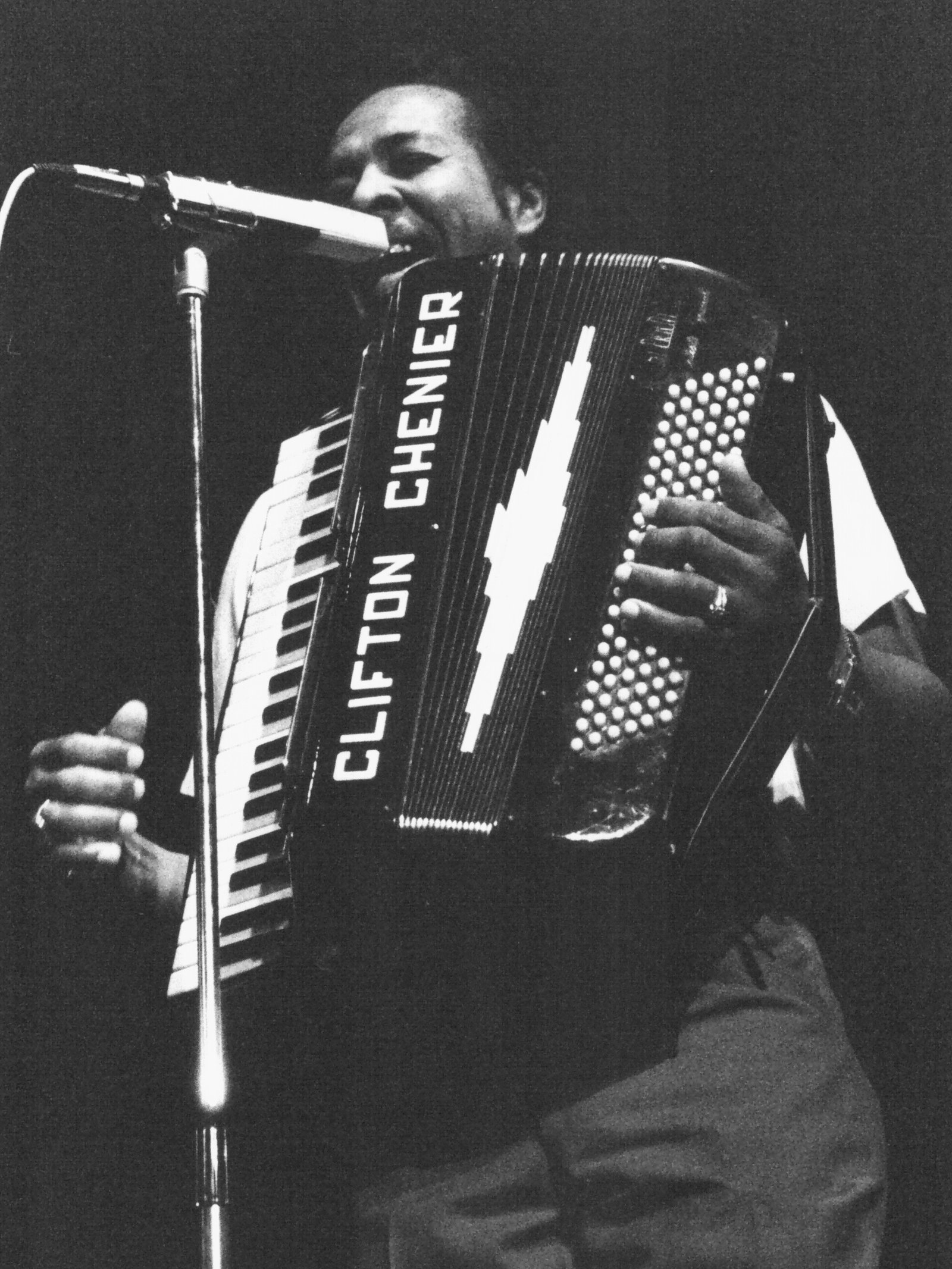
When Clifford Antone opened his club at 6th and Brazos on July 15, 1975, he brought in Clifton Chenier and His Red Hot Louisiana Band to christen it, and in doing so lit the pilot on the Home of the Blues. Antone’s became the mentorship engine of Austin music — the room where the touring blues masters, Muddy Waters and Jimmy Reed and B.B. King among them, would come through and share a bandstand with local kids who were paying attention. Two of those kids were Jimmie and Stevie Ray Vaughan. Another, years later, would be a teenager named Gary Clark Jr. There’s your name again. A club isn’t just a place to hear music; the right one is a place where music gets handed down, and Antone’s did that better than anywhere in the state.
3. The 13th Floor Elevators broadcast live — New Orleans Club, March 16, 1966
Before they were a reunion story, the 13th Floor Elevators were a live wire, and on March 16, 1966, KAZZ-FM caught them at the New Orleans Club at what may have been their absolute Austin peak. This is the band that, more than any other, deserves the credit for inventing what the world would come to call psychedelic rock — and here they are, mid-detonation, before they lit out for San Francisco and the wider fame that both found them and undid them. To have that captured, live, from an Austin stage, is a piece of documented music history most cities would build a museum around.
2. Willie Nelson tapes the Austin City Limits pilot — Studio 6A, KLRU, October 17, 1974
Two years after the Armadillo night we started with, Willie Nelson walked into Studio 6A at KLRU on the UT campus on October 17, 1974, and taped the pilot episode of a public-television program called Austin City Limits. It would become the longest-running music program in the history of American television. It would broadcast the Austin sound into living rooms across the country and, more than any single act of civic marketing, seed the idea that this city was the Live Music Capital. Everything the slogan claims, that pilot began to prove. One concert, one taping, and a national brand was born.
Which leaves one.
A city that makes its own
Before we get to number one, sit with something, because it’s the thing that makes Austin different from every other music town that’s ever claimed the title.
Most cities are collectors. They adopt greatness — they lure it in, they give it a stage, they take partial credit when it blooms. Austin does that better than anyone, and this list is proof. Willie Nelson was born in Abbott, up near Waco, and came to Austin as a grown, road-worn man who’d already been chewed up and spit out by Nashville. Stevie Ray Vaughan was an Oak Cliff kid from Dallas who moved to Austin at seventeen, in 1972, and became the guitar god the city now claims as its own. Both adopted. Both essential. Neither one a native.
But here’s the other half, and it’s the half that seals Austin’s case. The city doesn’t only adopt. It grows its own.
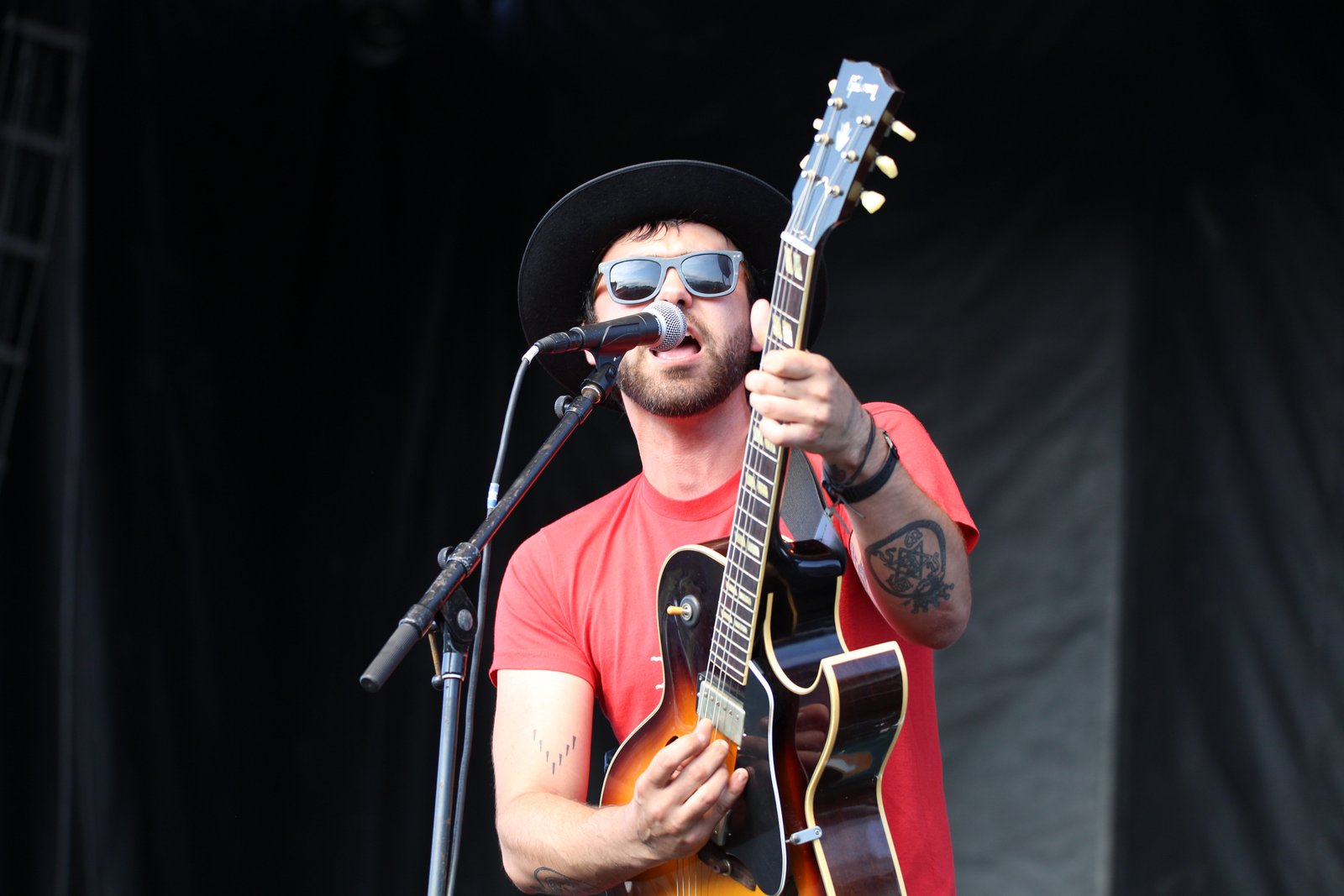
Gary Clark Jr. was born and raised right here — February 15, 1984 — an Austin kid discovered at Antone’s at fifteen by Clifford Antone himself, on the very bandstand where the Vaughans had learned their trade. Shakey Graves, born Alejandro Rose-Garcia, is a South Austin product through and through. These aren’t imports the city dressed up. They’re homegrown, raised inside the ecosystem that the concerts on this list built, and now carrying it forward. A town that only borrows its legends is a stopover. A town that both adopts the greats and raises the next ones — that’s a music capital in full. Austin is one of the few places in America that can honestly claim both columns.
Which is exactly why the number-one concert isn’t just a great night. It’s the night the whole thing became possible.
1. Willie Nelson — Armadillo World Headquarters, August 12, 1972
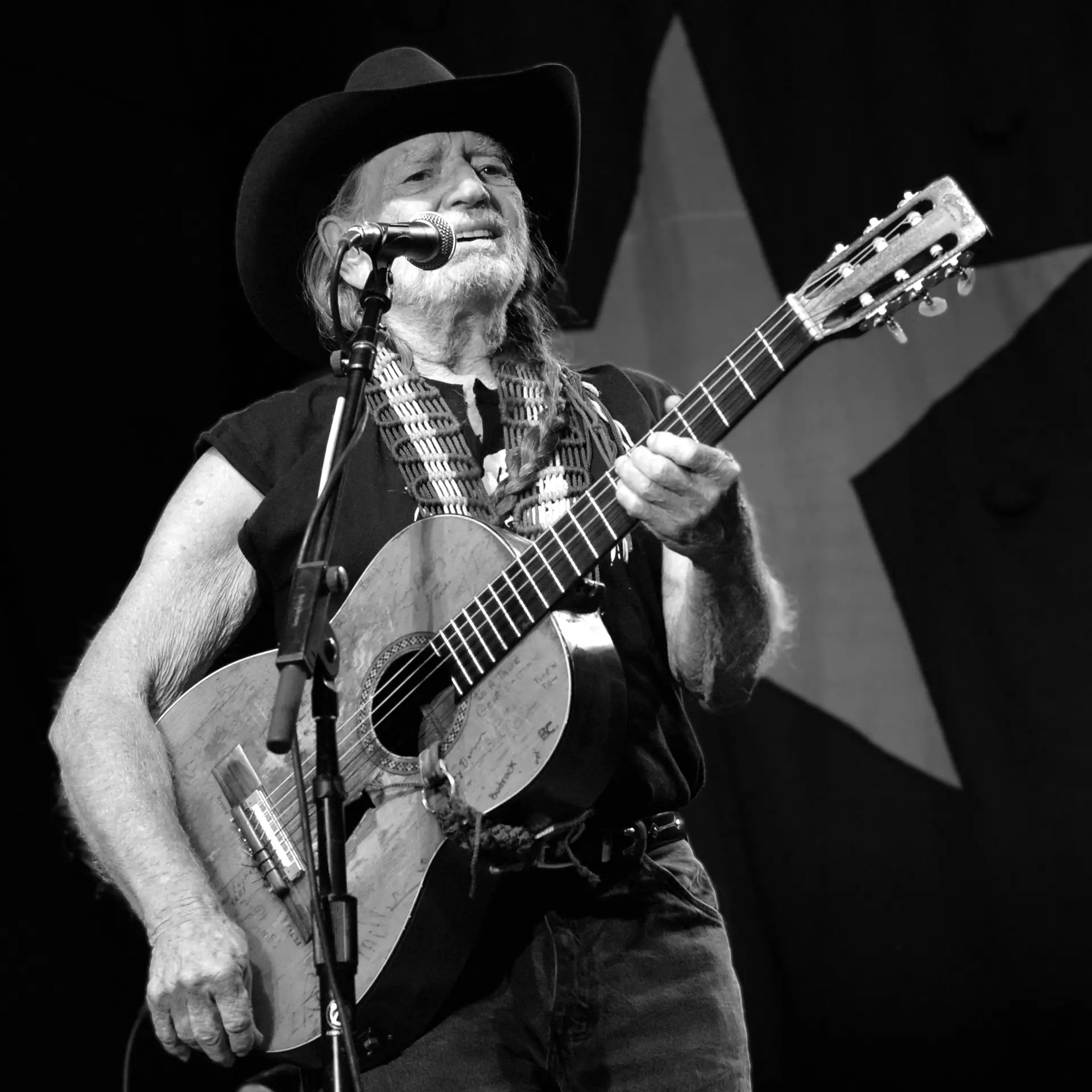
Back to that hot August Saturday, and the two crowds who weren’t supposed to be in the same room.
What Willie Nelson did at the Armadillo World Headquarters on August 12, 1972 wasn’t a set list; it was an act of civic reconciliation. The hippies and the rednecks — Austin’s two irreconcilable tribes — stood in the same converted armory and discovered they liked the same red-headed man singing the same songs. Willie himself would later put it about as plainly as it can be put: the two crowds got through the night without, in his words, “too much bloodshed.” That dry little line carries the whole revolution inside it. Because they did get through it, and having gotten through it once, they kept coming back, and the wall that had divided Austin’s music audience for a decade simply stopped being load-bearing.
Historians reach for the same phrase when they describe that night, and for once the grand language is warranted: they call it the Big Bang of Austin as a music mecca — the starting point of the modern Austin scene. Progressive country, outlaw country, the whole cross-pollinated sound that would define the city and radiate out to reshape American music — you can trace it back to this room, this date, this improbable détente. Everything else on this list either led up to it or flowed down from it. The Elevators came before and lit a fuse. Austin City Limits came after and carried the news to the country. But the Armadillo on August 12, 1972 is the pivot the whole story turns on.
I’ve stood in a lot of Austin rooms over forty years. None of them holds the weight this one does. That’s why it’s number one, and it isn’t close.
The ones that just missed — and the concerts only Austin could pull off
A list of ten leaves a lot of great music on the cutting-room floor, and some of it is too good to skip entirely.
- Willie’s Fourth of July Picnic — the first one, July 4, 1973, out at Hurlbut Ranch in Dripping Springs, drew a crowd north of 40,000 and started a Texas institution that’s still going.
- Bruce Springsteen at the Armadillo, March 15–16, 1974 — pre-Born to Run, an early-career club run that people who were there still bring up unprompted.
- The Armadillo Thanksgiving Jam, November 23, 1972 — the night Jerry Garcia and Phil Lesh joined Doug Sahm and Leon Russell, which is about as Austin a sentence as exists.
- Zappa and Captain Beefheart recorded Bongo Fury live at the Armadillo over two nights in May 1975.
- Antone’s mentorship nights — B.B. King and Bobby “Blue” Bland on July 4, 1976, and the running tradition of Muddy Waters, Jimmy Reed, and Albert King schooling local kids on the bandstand.
- Matisyahu’s Live at Stubb’s (2005), captured at Stubb’s on Red River.
- Roky Erickson’s comeback — the Elevators frontman’s first full-length concert in roughly two decades, at ACL Festival 2005.
- And the institutions the concerts built: Austin City Limits, the TV program, still the longest-running of its kind in American history and a recipient of the National Medal of Arts in 2010, plus Blues on the Green, the free Zilker Park series that’s been a summer fixture since 1990.
Now tell us what we got wrong
Here’s the part where you take the mic. Forty years of memory is a lot, but it isn’t everything, and every Austin music fan carries a night on this list nobody else remembers. So which concert did we blow the ranking on? What belongs in the ten that isn’t? Whose absence is an outright crime?
Tell us in the comments — because your picks decide our next one. We’re already chasing down the Greatest Concerts in Texas History, statewide, no limit on how many make the cut, and the ballot starts with you.
That’s the lowdown on Austin.
— Tex Patterson, Lonestar Concerts
Image Credits
- Hero poster: original illustration for Lonestar Concerts.
- Armadillo World Headquarters (1976) — photo by Steve Hopson, stevehopson.com (CC BY-SA 2.5).
- Gary Clark Jr. — photo by David Kabot (CC BY 2.0).
- Janis Joplin (1970) — public domain.
- Stevie Ray Vaughan (1983) — photo by Bob Bissett (CC BY-SA 4.0).
- Roky Erickson — photo by Paul Familetti / thetripwirenyc (CC BY 2.0).
- Clifton Chenier — photo by Lionel Decoster (CC BY-SA 4.0).
- Shakey Graves — photo by Andy Witchger (CC BY 2.0).
- Willie Nelson — photo by Minette Layne (CC BY-SA 2.0).